## Sửa Chữa Nguồn PC: Kỳ Tích Từ Hai Bộ Nguồn Cũ!
#SuaChuaPC #SMPS #NguonMayTinh #SuaChuaDienTu #KyThuatDien #HocTap #DIY
Câu chuyện đầy hứng khởi về việc hồi sinh hai bộ nguồn máy tính tưởng chừng như đã “chết lâm sàng” sẽ được chia sẻ ngay sau đây. Tôi, Parasuraman Subramanian, một kỹ sư điện tử 74 tuổi người Ấn Độ với hơn 30 năm kinh nghiệm trong lĩnh vực sửa chữa thiết bị điện tử, xin được chia sẻ hai trường hợp sửa chữa bộ nguồn máy tính gần đây của mình.
Trường hợp 1: Zebronics ZEB450W (khoảng 1.000.000 VND)
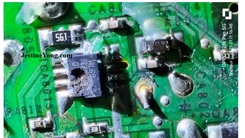
Bộ nguồn này được mang đến trong tình trạng hoàn toàn không hoạt động. Việc vệ sinh bên trong đã được thực hiện. Tôi phát hiện một tụ điện cố định đã bị nổ trong phần sơ cấp:
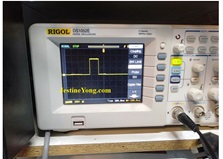
Máy kiểm tra SMD cho kết quả nhảy múa giữa 0 và một giá trị khác, vì vậy tôi phải liên tục nhấn nút để chụp được ảnh như trên. Sau đó, tôi tháo các tụ điện lọc và kiểm tra, và phát hiện điều không mấy bất ngờ:
Tụ 330uF chỉ còn 220.6uF! Tôi đã tiến hành thay thế tất cả các tụ điện điện phân cùng với tụ cố định 105, vì đây là lần đầu tiên bộ nguồn này được mở ra để sửa chữa.
Sau đó, tôi đã hàn lại kỹ lưỡng các mối hàn khô, và bo mạch trông như mới:
Tôi làm sạch bo mạch bằng IPA và kiểm tra xem có hiện tượng đoản mạch nào không, nhưng không tìm thấy. Tôi tự hào về công việc của mình! (LOL) Sau đó, tôi cấp nguồn với tải là bóng đèn 12V 25W và kiểm tra như thường lệ qua một bóng đèn nối tiếp. Tôi ngửi thấy mùi khét. Khi kiểm tra điện áp 5V, nó hiển thị 21V! Tôi ngay lập tức ngắt nguồn. Hai điện trở bị cháy. Một ở phần sơ cấp và một ở phần thứ cấp. Giá trị của chúng không thể nhận biết! Một tụ điện 1000uF/10V mới cũng bị hỏng ở phần thứ cấp.
Việc thay thế tụ điện thì dễ dàng, nhưng làm sao xác định được giá trị của các điện trở bị cháy? Tôi đã thử sử dụng phương pháp được đề xuất trong sách của Jestine Yong, nhưng không thành công. Vì vậy, tôi đã tìm trong bộ sưu tập bo mạch đã hỏng và phát hiện ra rằng đó là các điện trở 100 Ohm. Tôi thay thế cả hai, và điện áp ổn định ở mức 5V. Sau đó, tôi cho bộ nguồn hoạt động với quạt được kết nối trong thời gian đủ lâu trước khi đóng nắp lại.
Trường hợp 2: Delta DPS250AB-22E (khoảng 1.500.000 VND)
Bộ nguồn này đã được sửa chữa trước đó vào tháng 10 năm 2021. (Xem thêm: [https://jestineyong.com/two-smps-saved-from-dump/](https://jestineyong.com/two-smps-saved-from-dump/)) Lúc đó, tôi đã thay thế tất cả các tụ điện điện phân và sửa chữa lại các mối hàn. Nó lại gặp sự cố và được đưa đến “bệnh viện điện tử” của tôi vào tháng 12 năm 2024. Đây là một trong những bộ nguồn chất lượng tốt nhất với thiết kế lắp đặt bên cạnh độc đáo. Nếu tháo nắp, chúng ta có thể khắc phục sự cố mà không cần tháo bo mạch ra, giống như bo mạch của amply. Mạch điện cũng rất phức tạp, chủ yếu là các linh kiện SMD.
Quan sát kỹ, tôi thấy một tụ 100uF bị phồng, và tôi đã thay thế nó. Vì nó nằm trên đường dẫn của quạt bộ nguồn, tôi đã nghiên cứu mạch điện và ngạc nhiên khi thấy nó có một nhiệt trở được gắn trên tản nhiệt và được cảm biến bởi hai transistor SMD và một transistor xuyên lỗ. Và rồi tôi phát hiện điều kinh ngạc!
Cực thu và cực phát của transistor điều khiển quạt bị nối tắt do hàn chồng chéo! Tôi đã bỏ qua điều này, nhưng bộ nguồn vẫn hoạt động được hơn ba năm như vậy. Hãy nhìn vào transistor, nó đã chịu đựng sự đoản mạch nhưng vẫn hoạt động tốt:
Tôi đã loại bỏ hiện tượng đoản mạch và kiểm tra các transistor, tất cả đều hoạt động hoàn hảo. Quạt đã bị hỏng vì bị kẹt, và mặc dù tôi đã tháo ra và bôi trơn bằng mỡ silicon, nó vẫn rung nên tôi đã thay thế nó:
Sau khi kiểm tra xem có linh kiện nào bị lỗi khác không, tôi đã làm tương tự như trường hợp đầu tiên và cấp nguồn.
Tôi rất vui khi thấy bộ nguồn hoạt động tốt trở lại và tôi đã cho nó chạy trong thời gian đủ lâu trước khi đóng nắp lại.
Hai nhiệm vụ đã hoàn thành với sự hài lòng tràn ngập! (LOL)
Về tác giả: Parasuraman Subramanian, 74 tuổi, hơn 30 năm kinh nghiệm sửa chữa thiết bị điện tử cổ điển (máy thu thanh đèn, amply, máy ghi âm cuộn băng) và hiện đang theo học các lớp công nghệ mới do Hiệp hội Kỹ thuật viên Điện tử Bang Kerala tổ chức. Ông tốt nghiệp BBA, có bằng kỹ sư vô tuyến và đã nghỉ hưu với chức vụ Giám đốc điều hành của một công ty Mỹ. Hiện ông đang làm tư vấn cho bệnh viện và các tổ chức khác.
Bạn hãy ủng hộ bằng cách chia sẻ bài viết này! Phản hồi của bạn rất được chào đón. Xin vui lòng để lại bình luận của bạn.
Đăng ký để không bỏ lỡ bài viết mới! [Link đến blog]
#SuaChuaBoNguon #TipsSuaChua #KinhNghiemSuaChua #BoNguonMayTinhCu #CongNghe #DienTu
Hãy viết bài báo dài đầy đủ chuyên nghiệp hay bằng tiếng VIệt kèm hashtag Saving Computer SMPS Part – 14

Case (1) Zebronics ZEB450W :
This was brought dead. Internal cleaning was already done. I saw a fixed capacitor had burst in the primary section:
Since the SMD tester was flip flopping 0 and some other value when checking, I had to continuously click to capture the image that you see above. Then I removed the tank capacitors and checked and look at what I found, which was not a surprise:
The 330uF was reading 220.6! Then I went ahead and replaced all the electrolytic capacitors along with the 105 Fixed Cap, as this SMPS was being opened for service for the first time.
Then did a thorough dry solder patch up, upon which the board looked shining new:
Then cleaned the board with IPA and looked for any man made shorts and could not find any. I patted myself for having done a good job! (LOL) Then applied power giving a 12V 25W bulb as load and checker as usual through a series bulb. I smelt something was burning. When I checked the 5V, it was showing 21V! So, disconnected the power. Saw two resistors burnt. One in the primary section and another in the secondary. The values were beyond recognition! One new 1000uF/10V had fumed in the secondary section.
While I could easily replace the cap, how to know the values of the burnt resistors. I tried using the method suggested by Jestine Yong in his book, but could not succeed. So, I looked through the collection of discarded Boards and found that these were 100 ohms resistors. So, I replaced both, upon which the voltage was steady at 5V. Then allowed the SMPS in on condition with the fan connected for sufficient time, before closing the covers.
Case (2) Delta DPS250AB-22E : This had undergone a service before in October, 2021. Kindly have a look at this link:
I had replaced all the electrolytic caps and did a thorough retouching at that time. This developed sickness and got admitted to my electronics hospital in December, 2024. This is one of the best quality SMPS with a unique side fitting. If we remove the cover, we can do the trouble shooting without taking out the board, like any Amplifier Board. The circuit also was very complicated with mostly SMD components.
On close observation I saw one 100uF Cap bulgy, which I replaced. As it was in the path for the SMPS fan drive, I studied the circuit and was amazed to see that it had a thermistor fit on the heat sink and sensed by two SMD transistors and one through hole. Then there was something that made me aghast!
The collector and emitter of the fan driver transistor were shorted by overlapping solder! This was overlooked by me but the SMPS worked for more than three years in this way. Look at the transistor, which had suffered the short but withstood this bravely:
I removed the short and checked the transistors, all of which were in perfect condition. The fan had gone bad as it was stuck and though I removed it and lubricated it very well using silicone grease, it was wobbling so replaced it:
After checking for any more defective components, I did the same thing like the first case and applied power.
I was glad to see that the SMPS was working fine again and I allowed it to run for sufficient time before closing the covers.
Double missions accomplished with satisfactions pouring into the collection bag, which readjusted to accommodate the new entrants! (LOL)
This article was prepared for you by Parasuraman Subramanian from India. He is 74 years old and has more than 30 years’ experience in handling antique equipment like Valve Radio, Amps, Reel Tape Recorders and currently studying latest tech-classes conducted by Kerala State Electronics Technicians’ Association. He has done graduation in BBA degree, private diploma in Radio Engineering and retired as MD of a USA company. Presently working as Consultant to Hospital and other institutions.
Please give a support by clicking on the social buttons below. Your feedback on the post is welcome. Please leave it in the comments.
P.S-If you enjoyed reading this, to subscribe to my blog (free subscription). That way, you’ll never miss a post. You can also forward this website link to your friends and colleagues-thanks!
You may check on his previous article on
Likes (1)Dislikes
 (0)
(0)
//
(tiêu đề viết lên đầu)
Saving Computer SMPS Part – 14
Case (1) Zebronics ZEB450W :
This was brought dead. Internal cleaning was already done. I saw a fixed capacitor had burst in the primary section:
Since the SMD tester was flip flopping 0 and some other value when checking, I had to continuously click to capture the image that you see above. Then I removed the tank capacitors and checked and look at what I found, which was not a surprise:
The 330uF was reading 220.6! Then I went ahead and replaced all the electrolytic capacitors along with the 105 Fixed Cap, as this SMPS was being opened for service for the first time.
Then did a thorough dry solder patch up, upon which the board looked shining new:
Then cleaned the board with IPA and looked for any man made shorts and could not find any. I patted myself for having done a good job! (LOL) Then applied power giving a 12V 25W bulb as load and checker as usual through a series bulb. I smelt something was burning. When I checked the 5V, it was showing 21V! So, disconnected the power. Saw two resistors burnt. One in the primary section and another in the secondary. The values were beyond recognition! One new 1000uF/10V had fumed in the secondary section.
While I could easily replace the cap, how to know the values of the burnt resistors. I tried using the method suggested by Jestine Yong in his book, but could not succeed. So, I looked through the collection of discarded Boards and found that these were 100 ohms resistors. So, I replaced both, upon which the voltage was steady at 5V. Then allowed the SMPS in on condition with the fan connected for sufficient time, before closing the covers.
Case (2) Delta DPS250AB-22E : This had undergone a service before in October, 2021. Kindly have a look at this link:
I had replaced all the electrolytic caps and did a thorough retouching at that time. This developed sickness and got admitted to my electronics hospital in December, 2024. This is one of the best quality SMPS with a unique side fitting. If we remove the cover, we can do the trouble shooting without taking out the board, like any Amplifier Board. The circuit also was very complicated with mostly SMD components.
On close observation I saw one 100uF Cap bulgy, which I replaced. As it was in the path for the SMPS fan drive, I studied the circuit and was amazed to see that it had a thermistor fit on the heat sink and sensed by two SMD transistors and one through hole. Then there was something that made me aghast!
The collector and emitter of the fan driver transistor were shorted by overlapping solder! This was overlooked by me but the SMPS worked for more than three years in this way. Look at the transistor, which had suffered the short but withstood this bravely:
I removed the short and checked the transistors, all of which were in perfect condition. The fan had gone bad as it was stuck and though I removed it and lubricated it very well using silicone grease, it was wobbling so replaced it:
After checking for any more defective components, I did the same thing like the first case and applied power.
I was glad to see that the SMPS was working fine again and I allowed it to run for sufficient time before closing the covers.
Double missions accomplished with satisfactions pouring into the collection bag, which readjusted to accommodate the new entrants! (LOL)
This article was prepared for you by Parasuraman Subramanian from India. He is 74 years old and has more than 30 years’ experience in handling antique equipment like Valve Radio, Amps, Reel Tape Recorders and currently studying latest tech-classes conducted by Kerala State Electronics Technicians’ Association. He has done graduation in BBA degree, private diploma in Radio Engineering and retired as MD of a USA company. Presently working as Consultant to Hospital and other institutions.
Please give a support by clicking on the social buttons below. Your feedback on the post is welcome. Please leave it in the comments.
P.S-If you enjoyed reading this, to subscribe to my blog (free subscription). That way, you’ll never miss a post. You can also forward this website link to your friends and colleagues-thanks!
You may check on his previous article on
Likes(1)Dislikes(0)
//
[su_box title=”Liên hệ đặt mua sản phẩm tại bài viết tại Viễn Đông Mobile” style=”default” box_color=”#3be863″ title_color=”#FFFFFF” radius=”3″]
Viễn Đông Mobile là cửa hàng chuyên kinh doanh các sản phẩm điện tử phục vụ nhu cầu chơi game, bao gồm:
- Gaming phone: Điện thoại cấu hình mạnh, tối ưu cho việc chơi game.
- Máy tính bảng chuyên gaming: Màn hình lớn, hiệu năng cao, trải nghiệm game tốt hơn.
- Phụ kiện cao cấp: Tai nghe, bàn phím, chuột,… hỗ trợ game thủ.
Thông tin liên hệ:
- Địa chỉ: 211 đường 3/2, phường 11, quận 10, TP.HCM
- Điện thoại: 0777600020
- Email: contact@viendongmobile.com

Bản đồ chỉ đường
[su_gmap address=”211 đường 3/2 phường 11 quận 10 Tp hồ chí minh Việt Nam” responsive=”yes”] xin chào[featured_image]